What are Sidechains

Blockchain technology has continued to evolve, with innovators seeking ways to enhance its functionality and scalability.
One such innovation is sidechain technology, which enables the creation of separate blockchain networks that interact with a main blockchain, thereby expanding its capabilities.
Understanding the Concept of Sidechains
Defining Key Characteristics of Sidechains
To understand sidechains, it's essential to define their key characteristics. A sidechain is a separate blockchain that operates in parallel with the main blockchain, allowing for the transfer of assets between the two chains.
This enables the creation of new, application-specific blockchains while maintaining the security and stability of the main chain. Think of sidechains as "auxiliary roads" that connect to a central highway (the main blockchain), enabling faster and more efficient transactions.
The key characteristics of sidechains include their ability to operate independently, facilitate cross-chain communication, and provide an additional layer of scalability and flexibility.
Main Blockchain and Sidechain Relationship: An In-Depth Look
At its core, a sidechain is an independent blockchain that operates in conjunction with a main blockchain. The relationship between the two can be likened to a parent-child relationship, where the main blockchain serves as the parent chain and the sidechain acts as a child chain.
This symbiotic relationship enables the transfer of assets between the two chains through a process called "pegging," which allows for a secure and trustless exchange of value. The main blockchain provides security and stability to the sidechain, while the sidechain offers flexibility and innovation, unhindered by the constraints of the parent chain.
The Role of Sidechains in Enhancing Blockchain Functionality
Sidechains play a vital role in enhancing blockchain functionality by allowing for greater flexibility, scalability, and security. They enable the transfer of assets between different blockchains, effectively creating a network of interconnected chains.
This interoperability allows users to access a broader range of services and applications, increasing the overall utility of the blockchain ecosystem. Think of sidechains as bridges connecting islands in an archipelago, facilitating travel and trade between them while maintaining their unique characteristics.
By integrating with mainchains, sidechains can also inherit the security benefits of the parent chain, ensuring a more robust and reliable system.
Key Features and Benefits of Sidechain Technology

Cross-Chain Asset Transfer Capabilities
One of the most significant advantages of sidechain technology is its ability to facilitate cross-chain asset transfer. This feature allows users to move assets seamlessly between different blockchain networks, without relying on intermediaries or centralized authorities.
Think of it like a borderless highway system, where vehicles (assets) can be transferred efficiently and securely across different roads (blockchains), enabling greater flexibility and liquidity in the market.
For instance, sidechains enable Bitcoin holders to transfer their assets into Ethereum's ecosystem for use in decentralized applications (dApps), or vice versa, opening up new opportunities for collaboration and innovation between previously isolated networks.
Scalability and Flexibility Enhancement through Sidechains
Sidechain technology offers a solution to the scalability limitations of blockchain networks, enabling them to process a higher volume of transactions without compromising their security or decentralization.
By allowing multiple sidechains to coexist with the main chain, it's possible to increase the overall processing capacity of the network while also providing flexibility for different use cases.
Think of sidechains like parallel lanes on a highway - each lane can handle its own traffic independently, reducing congestion and increasing overall efficiency.
This enables blockchain applications to scale more easily and support a wider range of services, from high-speed trading platforms to complex decentralized finance (DeFi) protocols.
Customizable Blockchains for Additional Functionality
One of the most significant advantages of sidechain technology is its ability to create customizable blockchains that can be tailored to meet specific needs. By allowing developers to design and deploy their own blockchains, sidechains enable a level of flexibility and scalability that is not possible with traditional blockchain systems.
This customization capability enables organizations to create blockchains that are optimized for particular use cases or industries, such as supply chain management or digital identity verification.
For example, a company could create a sidechain specifically designed for tracking inventory movements across a complex logistics network, while another organization might develop a sidechain focused on securing sensitive patient data in healthcare.
Advantages of Implementing Sidechains in Blockchain Networks

Increased Scalability and Flexibility in Blockchain Networks
Implementing sidechains in blockchain networks can significantly enhance scalability and flexibility. By allowing different blockchains to interact with each other, sidechains enable a more modular and adaptable architecture.
This is similar to how the internet works, where different websites and applications can communicate with each other seamlessly, without requiring a centralized hub.
In the same way, sidechains facilitate communication between different blockchain networks, enabling them to share resources, data, and assets in a secure and efficient manner.
This increased scalability and flexibility enable developers to build more complex and innovative applications on top of existing blockchain infrastructure.
Enhanced Security through Main Chain Isolation
Implementing sidechains in blockchain networks provides an additional layer of security by isolating the main chain from potential vulnerabilities. This isolation prevents a single point of failure or malicious activity on a sidechain from compromising the integrity of the entire network.
Think of it as a "firewall" that contains any issues, much like how a physical firewall in a building can prevent a fire in one room from spreading to others.
By doing so, sidechains enable developers to test and deploy new features or applications without risking the stability of the main chain, allowing for more innovative and experimental approaches while maintaining the security and reliability of the core network.
Efficient Asset Transfer between Sidechains and Main Blockchains
The ability to transfer assets seamlessly between sidechains and main blockchains is a significant advantage of implementing sidechains in blockchain networks.
This feature enables developers to design more complex and functional applications, where specific tasks or asset transactions can be offloaded to sidechains for faster processing, while still maintaining the security and integrity of the main blockchain.
For instance, think of it like a highway system - main blockchains serve as the primary highways, providing secure but potentially slower routes, whereas sidechains act as secondary roads that enable quicker navigation between different points on the network.
This dual-system approach enhances overall efficiency, allowing for more agile and responsive applications.
Technical Overview: Interaction between Sidechains and Main Blockchains
Mechanism of Asset Transfer: A Deep Dive
The mechanism of asset transfer between sidechains and main blockchains is a complex process that involves a series of steps. Imagine it like a secure, high-tech escrow service.
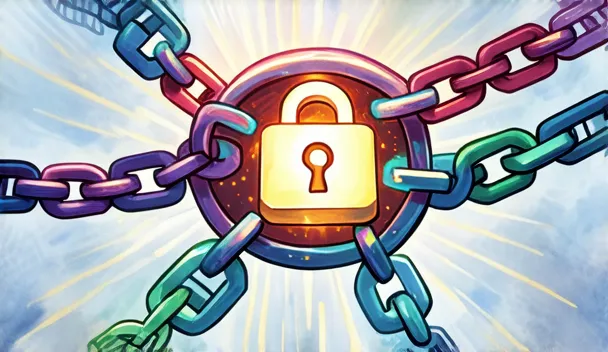
When an asset is transferred from the main blockchain to a sidechain, it is essentially "locked" in a special account on the main chain, while simultaneously being recreated on the sidechain.
This process is mediated by a relay or a bridge that ensures the smooth transfer of assets between chains. The relay verifies the transaction and ensures that the asset is not spent twice, thus preventing double-spending.
Conversely, when an asset is transferred back to the main blockchain from a sidechain, the process is reversed, with the relay again verifying the transaction to ensure its legitimacy.
Two-Way Pegs: Enabling Seamless Interaction with Parent Blockchains
Two-way pegs are a crucial component of sidechain technology, facilitating seamless interaction between sidechains and their parent blockchains. This mechanism enables the transfer of assets between the two chains in both directions.
Think of it as a "bridge" connecting two separate blockchain ecosystems. By leveraging two-way pegs, users can move assets from the main blockchain to the sidechain and vice versa, while maintaining the integrity and security of both networks.
For instance, if a user wants to utilize a specific application or service available only on a sidechain, they can transfer their assets from the main blockchain to the sidechain using two-way pegs. This ensures that the assets remain secure and verifiable throughout the process.
Unlocking New Functionality through Sidechain Integration
The integration of sidechains with main blockchains enables the creation of new, innovative functionalities that were previously unimaginable. By leveraging the strengths of both worlds, developers can design systems that benefit from the security and decentralization of the main blockchain, while also tapping into the flexibility and scalability offered by sidechains.
This synergy allows for the development of complex applications, such as decentralized finance (DeFi) platforms, non-fungible token (NFT) marketplaces, and gaming ecosystems, which can seamlessly interact with the main blockchain.
The interaction between sidechains and main blockchains can be likened to a modular, LEGO-like system, where different components can be combined to create new, powerful structures that unlock unprecedented possibilities.
Real-World Applications and Use Cases for Sidechain Technology

Decentralized Finance (DeFi) and Cross-Chain Transaction Solutions
The integration of sidechains with decentralized finance (DeFi) applications has the potential to revolutionize the way we think about financial transactions. By enabling seamless interactions between different blockchain networks, sidechains can facilitate cross-chain transactions, allowing users to tap into a broader pool of liquidity and assets.
This can be particularly beneficial for DeFi protocols that rely on multiple chains for various functions, such as yield farming or decentralized lending.
For instance, imagine being able to borrow assets from one chain and use them as collateral on another chain, all while maintaining the security and decentralization of the underlying blockchain networks.
Scalability Solutions for Main Blockchain Networks using Sidechains
Sidechains offer a promising solution to scalability issues plaguing main blockchain networks. By offloading transactions and computations to sidechains, the main chain can focus on security and core functionality.
This approach is analogous to the relationship between highway roads and local streets - just as local streets alleviate traffic congestion from highways, sidechains can redirect excess traffic away from main chains, enhancing overall network efficiency.
For instance, Polkadot's interoperability protocol enables multiple blockchains to interact and share resources, allowing them to scale without compromising security or decentralization.
Innovative Gaming and Virtual World Applications with Sidechain Technology
Sidechains can revolutionize the gaming industry by enabling secure, transparent, and efficient in-game transactions. Imagine playing a multiplayer game where you can buy, sell, or trade in-game assets, such as virtual currencies, characters, or items, without relying on centralized authorities.
Sidechains allow for decentralized, trustless transactions, ensuring that gamers have full control over their digital assets. For example, a sidechain-based game like Decentraland enables players to create, experience, and monetize content and applications on a virtual reality platform.
This innovative application of sidechain technology unlocks new revenue streams for game developers and enhances the overall gaming experience.
Conclusion
In this article, we've explored the concept of sidechains and their role in enhancing blockchain functionality. From understanding key characteristics and benefits to real-world applications, it's clear that sidechain technology has the potential to revolutionize the way we interact with blockchain networks.
We've seen how sidechains can increase scalability and flexibility, enhance security through main chain isolation, and enable seamless asset transfer between chains. With its numerous advantages and use cases in decentralized finance, gaming, and virtual worlds, sidechain technology is poised to play a significant role in shaping the future of blockchain.
As we move forward, it will be exciting to see how sidechains continue to evolve and unlock new possibilities for blockchain innovation.